16 November 2026
Things to verify before booking a dune buggy in Dubai
Presented by @getbuggydubaiden
Know what you are getting into before you ride
Dubai’s desert landscape is unlike any other. The dunes shift constantly, the sand can be soft in one spot and packed in another, and the heat puts both the vehicle and the driver under stress. A dune buggy ride is meant to be thrilling, but the difference between a great experience and a frustrating one often comes down to a few checks you make before you confirm the booking. Whether you are a first-timer or someone who has driven off-road before, running through a short list of details saves time, money, and the kind of hassle that can ruin a day in the desert.
Understand the terrain and the vehicle type
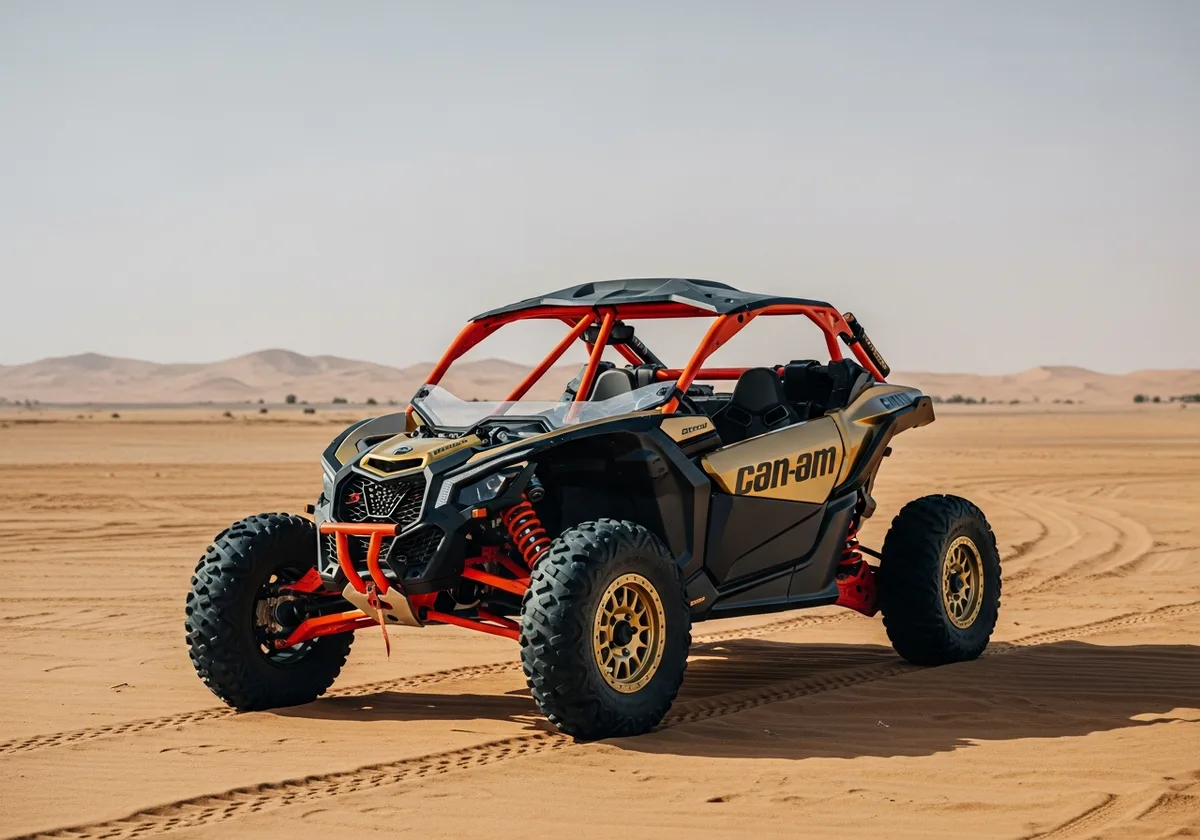
Not every off-road vehicle handles the same desert conditions. Some buggies are built for hard-packed gravel, others for deep soft sand. When you book a buggy in Dubai, the vehicle you choose should match the kind of terrain you will actually be driving on. A lightweight machine with high ground clearance and wide sand tires will perform differently from a heavier model with narrow tires. Ask about the tire type before you confirm. Sand tires have deeper treads and are designed to float on top of loose sand rather than dig into it. If the buggy is fitted with standard road tires, you will struggle to get traction on the dunes and may get stuck repeatedly. Also check the engine power. A buggy with too little power will labor up steep dunes, while one with excessive power can be harder to control if you are not used to it. The sweet spot depends on your experience level and the specific dune area you will be riding in.
One practical way to get a sense of what is available is to browse through the options listed on dunebuggyrentalsdubai.com. The site gives you a look at different buggy models and their general specifications, so you can compare before you call. That kind of upfront research helps you arrive at the rental counter with a clear idea of what you want.
Safety equipment and harness condition
A dune buggy ride involves sudden drops, sharp turns, and bumps that jolt the entire chassis. A standard seatbelt is not enough. You need a proper safety harness that holds you firmly in place across the shoulders and lap. Before you book, ask whether the buggy is fitted with a four-point or five-point harness. Check that the straps are not frayed or worn, and that the buckles click in and release smoothly. If the harness is old or damaged, it can loosen during a ride or jam when you need to get out quickly. Also check for a roll cage. Most rental buggies have one, but the condition matters. Look for cracks, rust, or signs of previous damage. A roll cage that has been bent and straightened may not hold up in a real rollover. You are not expected to crawl over the vehicle with a flashlight, but asking the rental provider directly about harness and roll cage maintenance tells you a lot about how seriously they take safety.
Rental duration and what it actually includes
Rental periods vary widely. Some companies offer a fixed hour, others give you a half-day or full-day option. The clock often starts ticking the moment you leave the base, not when you reach the dunes. If the drive to the desert takes thirty minutes each way, a one-hour rental gives you essentially zero time on the sand. Ask for the exact itinerary. How much of the rental period is driving time on the dunes versus travel time to and from the site? Some packages include a guided tour that leads you through a set route, while others let you ride freely within a designated area. A guided tour can be helpful if you are unfamiliar with the desert, because the guide knows which dunes are safe and which have hidden drop-offs or soft patches. If you prefer to ride on your own, make sure the rental company clearly marks the boundaries and gives you a map or GPS device. Getting lost in the dunes is not a minor inconvenience; it can be dangerous in the heat.
Condition of the buggy before you drive
When you arrive to pick up the buggy, take a few minutes to inspect it yourself. Look at the tires first. Are they inflated properly? Sand tires need a lower pressure than road tires to get good traction, but if they are too low they can come off the rim during a sharp turn. Check for visible cuts or bulges in the sidewall. Walk around the buggy and look for oil leaks under the engine or transmission. A small drip might be normal on an older machine, but a steady leak means the vehicle has not been maintained well. Start the engine and listen. A rough idle, misfire, or knocking sound indicates a mechanical issue that could leave you stranded in the desert. Ask the rental staff to show you the fluid levels: engine oil, coolant, and brake fluid. If they hesitate or brush off the question, consider that a red flag. A reputable provider will expect you to ask and will be happy to demonstrate that the vehicle is in good shape.

Another detail that matters is the buggy’s age and service history. You do not need a detailed logbook, but a simple question like “When was the last service?” tells you a lot. If the answer is vague or the staff cannot remember, the maintenance schedule may not be consistent. Off-road driving is hard on every component: suspension bushings wear out, brake pads get clogged with sand, and air filters clog faster than on-road vehicles. A buggy that has not been serviced recently is more likely to break down mid-ride. That is not just an inconvenience; it can leave you exposed to the sun while waiting for a recovery vehicle.
Insurance and liability coverage
Rental agreements always include some form of liability clause, but the details differ. Some companies cover damage to the buggy up to a certain amount, while others hold you responsible for the full replacement cost if you roll it over or hit something. Before you sign anything, read the fine print. Ask specifically what happens if you damage a tire, break a suspension arm, or get the engine flooded with sand. Those are common failures in dune driving, and repair costs can be high. If the rental company offers a damage waiver or an additional insurance option, weigh the cost against the risk. A single cracked rim or a torn sidewall can cost more than the waiver fee. Also ask about medical coverage. If you or a passenger gets injured during the ride, does the rental provider have any liability, or is it entirely on your own personal insurance? Knowing the answer before you ride avoids a nasty surprise later.
Group size and vehicle availability
If you are booking for a group, confirm that enough buggies are available at the same time. Some companies have a large fleet, but they may not hold multiple vehicles for a single booking without a deposit. Check whether the buggies in your group are all the same model. Mixed fleets can lead to uneven performance: one buggy might struggle to keep up while another pulls ahead, which can be frustrating when you are trying to stay together. Also ask about the maximum group size for a guided tour. Some guides can handle ten buggies at once, others only five. If the group is too large, you will spend more time waiting than riding.
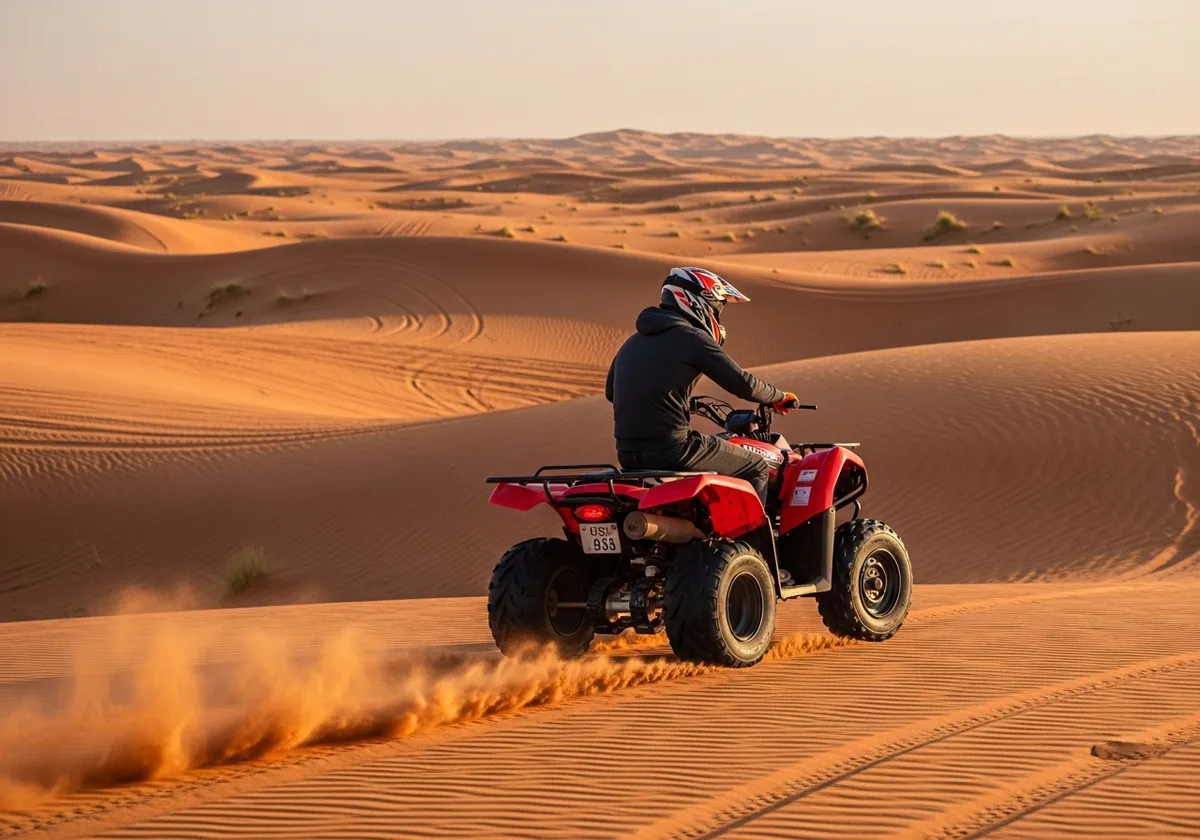
Ultimately, the goal is to have a safe and enjoyable time in the desert without mechanical surprises or hidden costs. Taking a few minutes to verify these points before you confirm the booking makes a real difference. The information you gather by asking the right questions and checking the details on a site like dunebuggyrentalsdubai.com gives you the confidence to choose a buggy that suits your needs and a provider that takes the experience seriously.